Hardwired vs Plug-In Garage Lights: Which Setup Fits? (October 2026)
Choose hardwired garage lights for a permanent ceiling layout and plug-in lights for a simpler setup you can change. The right choice depends on your existing wiring, outlet locations and whether you want to move the lights later.
On this page (9 sections)
- Hardwired vs Plug-In Garage Lights: Which Setup Fits?
- Hardwired vs plug-in: what is the main difference?
- Which setup is easier to install?
- Which setup is better for a changing garage?
- How many lights can you connect?
- How should you choose for your garage?
- Is a hardwired light brighter than a plug-in light?
- What should you check before buying?
- Which garage light setup should you choose?
Hardwired vs Plug-In Garage Lights: Which Setup Fits?
Choose hardwired garage lights for a permanent ceiling layout and plug-in lights for a simpler setup you can change. The hardwired vs plug-in decision depends on your outlets, wiring, ceiling plan and comfort with installation.
Plug-in lights connect to an outlet, so you can plan around existing power points. Hardwired lights connect directly to the electrical system and need the right wiring and installation.
Neither setup automatically makes a garage brighter or safer. Start with where light is needed, then decide how power will reach those spots.
 Best for permanent wiring
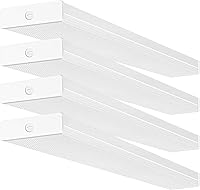
Hykolity 4FT 40W Hardwired LED Wraparound Light
 Best for outlet-based coverage
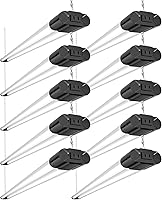
Sunco 4FT Plug-In Linkable LED Shop Lights 10-Pack (White)
Hardwired vs plug-in: what is the main difference?
Hardwired lights connect to your electrical system; plug-in lights use a power cord and outlet. That difference affects installation, cord routing and how easily you can change the layout later.
A hardwired fixture can make sense when you want a finished ceiling with no visible plug cord running to an outlet. It also means the fixture needs a compatible direct-wiring setup.
A plug-in fixture can be easier to place when an outlet is already near the planned location. You still need a safe cord route and enough outlets for the number of lights.
If you are mapping a full garage layout, start with how to light a garage. It helps you decide where fixtures should go before you choose their connection style.
What does hardwired mean for a garage light?
A hardwired light connects to building wiring rather than plugging into a wall outlet. The Hykolity 4 ft wraparound light requires direct wiring, and it does not come with a plug.
That makes it a fit for a permanent ceiling plan where the wiring can reach the fixture location. Hykolity recommends professional installation.
What does plug-in mean for a garage light?
A plug-in light uses a cord and a suitable outlet. Sunco's 10-pack can connect up to 4 lights together, which may help cover a longer work area when the outlet and cord path suit the layout.
Plug-in doesn't mean cord placement can be ignored. Keep cords out of walkways and away from moving garage doors, sharp edges and areas where tools or vehicles could catch them.
Which setup is easier to install?
Plug-in lights are usually simpler to connect when you already have suitable outlets; hardwired lights require direct electrical connections. The exact fixture instructions still matter.
Sunco describes its lights as plug and play, with mounting hardware included. They can be mounted to the ceiling or suspended from the included chains.
Hardwired lights require a direct connection to building wiring. Hykolity recommends professional installation for its fixture, so include that work in your plan.
If you are considering hardwired fixtures, our guide to installing LED shop lights covers what to plan before installation. For any wiring work you're not trained to do, use a qualified electrician.
Does the ceiling already have power where you need it?
An outlet near the planned fixtures can make plug-in lights practical. A distant outlet may leave you with a long cord route that crosses storage, a work area or the garage door path.
For hardwired lights, think about whether existing wiring reaches the desired ceiling positions. If it doesn't, get advice on the work needed before choosing fixtures.
Mark the planned light positions with tape and trace the route from each one to a power source. This quick layout check can reveal cord or wiring problems before you buy.
Which setup is better for a changing garage?
Plug-in lights are easier to rearrange when the cord can reach a suitable outlet; hardwired lights fit a more permanent plan. Choose based on how often your storage and work areas change.
A garage used for different projects may benefit from lights you can reposition as benches or storage move. Plug-in fixtures can offer that flexibility, provided the outlet and cord still work for the new positions.
A fixed workshop layout may favor hardwired fixtures. Once the wiring is planned for the ceiling positions, you can arrange the lights around the work areas you use most.
If you expect to change your layout, leave room for that change now. Map movable benches and storage alongside the fixture positions, then see whether a cord route remains clear.
How many lights can you connect?
Check the connection limit for the exact model, then confirm the power source and layout. Linkability varies between fixtures, so don't assume every light can connect in the same way.
Sunco says up to 4 of its plug-in lights can link together. Its 10-pack may suit a larger garage, but you will still need a practical way to power the planned groups.
Hyperlite says its wraparound lights can link up to 8 together, and it includes a linking cable. Its details describe surface mounting but do not specify a plug-in setup, so confirm the connection method before planning around an outlet.
Don't treat linkability as a substitute for checking the electrical instructions. Follow the fixture guidance for connections, power and mounting.
How should you choose for your garage?
Choose the connection type that reaches your planned light positions with a safe, practical installation. A tidy layout starts with the room and power sources, not the fixture label.
Use this checklist before deciding:
- Choose plug-in if suitable outlets are close to the planned fixtures and you can keep cords clear.
- Choose hardwired if you want a permanent ceiling layout and can arrange the direct wiring.
- Compare linking limits if several fixtures will run in a row.
- Check the mounting method against your ceiling and intended placement.
- Plan for help if the job involves wiring you are not equipped to handle.
Consider light spread and color temperature, too. The Hykolity fixture is 4000K, while the Sunco and Hyperlite options are 5000K.
Our guide to 4000K vs 5000K garage lighting explains how those color choices may suit different tasks and preferences.
Is a hardwired light brighter than a plug-in light?
Connection type alone doesn't tell you how bright a light is. Compare each fixture's stated lumen output and consider how many lights your space needs.
The Hykolity wraparound light is rated at 4400 lumens, Sunco's plug-in light at 4100 lumens, and Hyperlite's wraparound light at up to 6600 lumens. These figures come from different fixtures, so they don't show that one connection style is brighter overall.
For a better garage-wide plan, estimate the amount of light the space needs and where it should fall. Our guide to how many lumens a 2-car garage needs can help you plan coverage.
A fixture's output also isn't the same as even coverage. Spacing, ceiling height, obstructions and workbench locations can affect how useful the light feels.
What should you check before buying?
Confirm the installation type, measurements and connection plan for the exact light. A fixture can look right on paper but still be a poor fit for your ceiling or power access.
Measure the mounting area and check the fixture dimensions. The Hykolity measures 46.06 in long, Sunco's fixtures are 48 in long, and Hyperlite's wraparound light measures 47.2 in.
Check whether your ceiling can support the chosen mounting method. Sunco includes mounting hardware and hanging chains, while Hyperlite describes surface mounting and includes connection parts.
For a hardwired light, make sure the electrical plan matches the fixture requirements. For plug-in lights, check outlet access and cord routing before settling on a position.
Which garage light setup should you choose?
Pick hardwired lights for a permanent ceiling plan with suitable direct wiring, and plug-in lights when nearby outlets and a clear cord route make setup simpler. If you're unsure about the wiring or connection method, get qualified help before installing.
Explore the rest of our garage lighting planning and safety guide for help with placement, brightness and setup. Use the room layout to make the final call.
Frequently asked questions
Are hardwired garage lights better than plug-in lights?
Hardwired lights suit a permanent ceiling layout when the wiring is in place or an electrician can install it. Plug-in lights suit garages with outlets near the planned positions and people who want a simpler way to connect or change fixtures.
Your ceiling, wiring and cord path determine which is practical.
Can I plug in a hardwired LED shop light?
Not every hardwired light can be plugged in. The Hykolity wraparound light requires direct wiring and does not come with a plug, so plan for a hardwired installation.
Check the exact fixture instructions and connection type before buying, and ask an electrician if you are unsure.
How many plug-in shop lights can I link together?
It depends on the light. Sunco says its fixtures can connect up to 4 together, while Hyperlite says its wraparound lights can link up to 8.
Confirm that the model's connection method and total layout work for your outlets and ceiling before installing.
Do hardwired garage lights need an electrician?
Hardwired lights connect directly to your electrical system, so the work involves more than plugging in a fixture. Hykolity recommends professional installation for its hardwired wraparound light.
Use a qualified electrician if you lack the training or are unsure how to work safely with household wiring.
Can plug-in garage lights work without ceiling outlets?
They need a suitable power outlet and a safe way to route the cord to each light. If the ceiling has no outlet, consider whether an electrician can add one or whether another fixture type fits.
Keep cords away from door movement, walkways and places where they could be damaged.