4000K vs 5000K: Which Light Color Suits a Garage? (October 2026)
Choose 4000K for a softer neutral white and 5000K for a cooler daylight look. For garage lighting, the right color depends on the feel you want and whether your fixtures let you select or change the temperature.
On this page (8 sections)
- 4000K vs 5000K: which suits a garage?
- What does 4000K look like in a garage?
- What does 5000K look like in a garage?
- Does 5000K make a garage brighter than 4000K?
- Can you choose between 4000K and 5000K in one fixture?
- Should you mix 4000K and 5000K lights?
- How should you choose between 4000K and 5000K?
- Which garage light color should you choose?
Choose 4000K for a softer neutral white and 5000K for a cooler daylight look. For garage lighting, the right color depends on the feel you want and whether your fixtures let you select or change the temperature.
Color temperature does not tell you how bright a light is. Compare lumens for brightness, then choose 4000K or 5000K for the appearance you prefer.
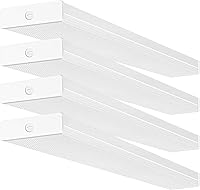
The JESLED tubes provide 4000K neutral white, the BBOUNDER shop lights use fixed 5000K, and the BBOUNDER wraparound fixtures let you select 4000K, 5000K or 6500K.
 Best for neutral replacement light
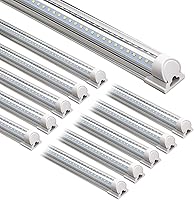
JESLED 4FT T8 Type A+B LED Tubes 10-Pack
 Best for fixed daylight color
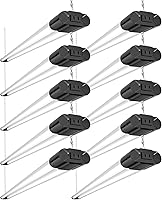
BBOUNDER 4FT 5000K Linkable LED Shop Lights 10-Pack
4000K vs 5000K: which suits a garage?
Pick 4000K for a more neutral white; pick 5000K for a cooler, daylight-like appearance. Either can work in a garage, so consider how you use the space and how the light looks against its walls and surfaces.
A color temperature number in kelvins describes the light's tone. It does not measure brightness, energy use or how evenly the fixture spreads light.
If you use the garage for parking and storage, either tone can be suitable. For a workbench or repair area, compare the light in the actual space and consider whether you prefer the neutral or cooler appearance.
What does 4000K look like in a garage?
4000K gives you a neutral white tone that sits between warmer white and cooler daylight colors. It can suit a garage where you want clear-looking light without the cooler cast of 5000K.
The JESLED 4 ft tubes are rated at 4000K and 2450 lumens per tube. They fit a different need from a complete shop light: check your existing fixture and follow the correct installation method for ballast or ballast-bypass wiring.
The frosted cover is described as providing softer, diffused light. Confirm the fixture, wiring and installation requirements before replacing fluorescent tubes.
If you're planning the whole ceiling rather than replacing tubes, our plain guide to lighting a garage covers layout and coverage choices. It helps you think about the job the light needs to do before settling on a color.
What does 5000K look like in a garage?
5000K looks cooler and more like daylight than 4000K.
The BBOUNDER 4 ft shop light has a fixed 5000K color temperature and a stated output of 4000 lumens per light. It uses 40W and comes with a 56 in power cord and mounting hardware.
These lights can mount to the ceiling or hang from it. Check the instructions and room layout before choosing a mounting position, and plan the spacing so the light reaches the places you use.
Does 5000K make a garage brighter than 4000K?
No. Color temperature and brightness describe different things.
Use lumens to compare light output and color temperature to compare the tone of the light.
The JESLED tubes are rated at 2450 lumens each, while the BBOUNDER shop lights are rated at 4000 lumens each. That difference in stated output does not come from 4000K versus 5000K alone; these are different kinds of products.
Brightness across the room also depends on fixture placement, ceiling height and how many lights you install. Our guide to lumens for a 2 car garage can help you estimate how much output to plan for.
Avoid choosing a light only because its temperature number is higher. A 5000K fixture with fewer lumens could produce less total light than a 4000K fixture with more lumens.
Can you choose between 4000K and 5000K in one fixture?
Yes, if you choose a fixture with selectable color temperature. The BBOUNDER wraparound light offers 4000K, 5000K and 6500K, which lets you set the tone before mounting it.
Each fixture is rated at 5500 lumens and 50W. Choose the desired color temperature before installation, since it needs to be set before the fixture is mounted.
The wraparound fixture is designed for ceiling mounting with a junction box. Its selectable color can help when you're unsure which tone you want, but it doesn't replace planning for brightness and coverage.
For more ceiling options, see our guide to garage ceiling lights for even coverage. If you are choosing lights for a work area, our guide to lighting a shop garage covers how to match fixture style to the space.
Should you mix 4000K and 5000K lights?
Use one color temperature across a connected area if you want the ceiling to look consistent. Mixing the two can make the light appear uneven, especially when fixtures sit near each other or illuminate the same work surface.
A separate zone can use a different tone if it serves a distinct purpose. For example, you might choose one temperature for general ceiling lights and another for a workbench, provided the difference looks comfortable in the space.
Try a small area first if you can. Observe how the colors look on your walls, floor and work surfaces, then decide whether to keep one tone throughout.
How should you choose between 4000K and 5000K?
Choose the tone you prefer, then match the fixture's output and installation to your garage. A good color choice cannot make up for too few lumens or poor placement.
Use this quick guide:
- Choose 4000K for neutral white light and a less cool appearance.
- Choose 5000K for a cooler, daylight-like tone.
- Choose selectable 3CCT if you want 4000K and 5000K as options before installation.
- Compare lumens separately when you need to plan brightness.
- Check fixture type, wiring and mounting needs before you buy.
For a compatible fluorescent fixture, the JESLED tubes offer 4000K replacement light. For a plug-in shop-light setup, the BBOUNDER shop lights provide fixed 5000K, while the selectable BBOUNDER wraparound fixtures give you three color settings.
Which garage light color should you choose?
Pick 4000K if you want neutral white, and 5000K if you prefer a cooler daylight appearance. If you have not decided, consider a selectable fixture and choose its color before installation.
Compare lumens and fixture setup separately from color temperature. For the next step, use our garage lighting guide to plan coverage and choose a layout that fits the space.
See the ENERGY STAR guide to lighting for general information about choosing efficient lighting.
Frequently asked questions
Is 4000K or 5000K better for a garage?
4000K gives a neutral white appearance, while 5000K looks cooler and more like daylight. Choose based on the feel you prefer and the tasks you do.
For a garage where you want to compare both, a selectable 3CCT fixture can switch between 4000K and 5000K before installation.
Does 5000K give more light than 4000K?
Color temperature describes the light's appearance, while lumens describe how much light a fixture produces. A 5000K light isn't automatically brighter than a 4000K light, so compare the lumen output of the exact fixtures you are considering.
Can you mix 4000K and 5000K garage lights?
You can use both, but the different white tones may look uneven across one space. For a consistent appearance, use one temperature across the main ceiling fixtures, or place a different temperature in a separate work area.
What does 3CCT mean on a garage light?
3CCT means you can select from 3 color temperatures. The BBOUNDER wraparound fixture offers 4000K, 5000K and 6500K, and you set the temperature before mounting it.
That gives you a way to choose the color after considering the room and your work.
Is 4000K the same as warm white?
4000K is generally described as neutral white, not the warmer tone many people associate with a lower color temperature. It sits between warmer-looking light and the cooler daylight appearance of 5000K or 6500K.