LED Tubes vs Fluorescent Tubes in an Old Shop Fixture: Which Is Better? (October 2026)
Keep fluorescent tubes if the old fixture and ballast work well; choose LED tubes only after matching the tube and wiring method. An LED tube vs fluorescent tube swap can require ballast compatibility checks or fixture rewiring.
On this page (5 sections)
Keep fluorescent tubes if the old fixture and ballast work well; choose LED tubes only after matching the tube and wiring method. An LED tube vs fluorescent tube swap can involve ballast checks or rewiring, so the fixture's condition matters as much as the light source.
A tube that fits the sockets isn't automatically a safe electrical match. Check the fixture label, ballast condition and replacement tube instructions before you buy.
This comparison covers retrofit tubes and a complete LED shop light, since an aging fixture may be a reason to replace the whole unit. For other 4 ft options, see our guide to 4 ft LED shop lights for garages and basements.

 Best for a planned ballast bypass
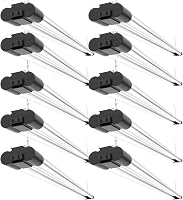
Sunco 4FT T8 Ballast Bypass LED Tubes 10-Pack
LED tube vs fluorescent tube: what changes in an old fixture?
The key difference is how the tube produces light and how it connects to power. An LED replacement may use a compatible ballast, bypass the ballast, or support either method, depending on the tube.
A fluorescent tube relies on a ballast to regulate current. Many LED replacement tubes contain their own electronics, but their wiring requirements vary by type.
That means “LED replacement” does not describe one universal installation. Type A tubes use a compatible ballast, Type B tubes bypass it, and Type A+B models offer both methods when installed as instructed.
The ballast may also be old or faulty. A new tube won't fix a failing ballast unless the chosen replacement method removes that ballast from the circuit.
What should you check before choosing an LED replacement?
Read the fixture label and identify the tube length, base and ballast details first. Match those details against the LED tube's compatibility and wiring instructions.
Many shop fixtures use a 4 ft tube with a G13 base, but don't assume yours does. Check the printed tube markings and the fixture before ordering.
Look for the ballast manufacturer and model if you plan to use a Type A tube. If the label is worn or missing, have a qualified electrician identify the setup rather than guessing.
Our guide to installing LED shop lights explains the choices to plan before work begins. It can help you decide whether to keep the fixture or change it.
When is a fluorescent tube still a sensible choice?
A working fluorescent tube can remain a reasonable option when it gives you enough light and the fixture is in good shape. Replacing it solely because LED exists may not solve a problem you actually have.
Keep the existing setup if it starts reliably, lights your work area evenly and doesn't have damaged sockets or wiring. Also consider whether replacement fluorescent tubes are easy for you to find.
If the tube flickers, buzzes or takes time to start, inspect the whole system rather than blaming the tube alone. The ballast, starter on older designs, sockets or wiring may be involved.
Don't touch or open an energized fixture to diagnose it. Switch off the circuit, and ask an electrician to inspect an uncertain or damaged installation.
What do Type A, Type B and Type A+B mean?
Type A uses a compatible ballast, Type B bypasses the ballast, and Type A+B supports either method when wired correctly. The type label tells you what must happen inside the fixture.
A Type A, or plug-and-play, tube is the closest match to a simple replacement. It still needs a ballast that the tube maker supports.
A Type B tube removes the ballast from the circuit. The fixture must be rewired for the tube's specified connection, and wiring it incorrectly can create a serious hazard.
Some Type B tubes are single-ended, while others use double-ended connections. Follow the exact tube instructions and check which end receives power before wiring.
Type A+B can offer a choice between ballast operation and bypass wiring. That flexibility doesn't mean the tube works with every ballast, so confirm compatibility before installation.
Is a ballast-bypass conversion worth the extra work?
Consider bypass wiring only when the fixture can be rewired correctly and you are prepared to follow the manufacturer's instructions. If you aren't qualified to do that work, use a qualified electrician.
Bypassing means the ballast no longer controls the tube. It also means the fixture's connections must match the tube's specified input arrangement.
The Sunco 4 ft tube is Type B and requires existing ballasts to be removed and the fixture rewired. Its instructions warn that failure to do so may damage the tube and create a fire hazard.
If the fixture is old, corroded or already unreliable, spending time on a conversion may not make sense. Compare the likely work with replacing the complete fixture.
How do light output and color compare?
Compare lumen output and color temperature for the exact tubes, because LED or fluorescent labels alone don't tell you how the shop will look. Consider output, beam spread and the task below each fixture.
The JESLED Type A+B tube has a stated output of 2450 lumens and a 4000K color. The Sunco Type B tube has a stated output of 2200 lumens and a 5000K color.
Those figures describe the two LED options here, not a direct comparison against a specific fluorescent tube. Fluorescent tubes vary, so compare the markings on your current tube with any replacement you consider.
The JESLED's 4000K neutral white may feel less cool than the Sunco's 5000K daylight white. For a broader look at how color affects a garage, read 4000K vs 5000K lighting.
A tube's lumen figure doesn't tell you how evenly light will reach a bench. Reflectors, lens covers, fixture spacing and mounting height all affect the result.
Do LED tubes use less electricity?
The LED tubes in this comparison have stated wattages of 14W and 18W, but that alone doesn't prove how much you'll save. Compare them with the wattage of your current tubes and how many hours the lights run.
The JESLED is listed at 14W and the Sunco at 18W. Your existing fluorescent tube's wattage and ballast draw determine the baseline for a fair comparison.
Actual savings depend on how many fixtures you use, their hours of operation and your electricity rate. Our guide on whether LED garage lights save money explains the inputs to compare.
When should you replace the whole fixture?
Replace the fixture when it is damaged, its wiring is unsuitable, or you want a different light layout. A replacement tube is a poor fit for a fixture you can't safely use.
Check for cracked sockets, damaged wiring, rust, loose covers or signs of heat. Have an electrician assess anything damaged or unfamiliar before deciding on a tube swap.
A complete LED shop light also changes the job. The Barrina 4 ft shop light is a full fixture rated at 5500 lumens and 5000K, with options for hardwiring or a power cord with an on/off switch.
That makes it an option when you're ready to remove an old fluorescent fixture. It is not a tube replacement, so plan for its mounting and electrical connection as a separate installation.
If you're keeping the old fixture, check whether the cover, sockets and mounting are sound before choosing a retrofit. If the fixture's condition is uncertain, get qualified help.
Which option fits your shop?
Keep a sound fluorescent setup if it already meets your needs; use a compatible LED tube when you want a tube retrofit, or replace the fixture when its condition or layout calls for it. Choose by wiring method first, then compare light output and color.
The JESLED Type A+B tube suits a buyer who wants both ballast-compatible and bypass options, provided the fixture supports the chosen method. The Sunco Type B tube suits a planned ballast-bypass conversion where the fixture can be rewired as directed.
Choose a full fixture such as the Barrina when the old unit is damaged or a different light layout makes more sense. For more tube-format detail, see T5 vs T8 LED shop lights.
Before buying, confirm the tube length, base, ballast and wiring plan. If the fixture must be opened or rewired and you aren't qualified, ask an electrician to handle it.
Which LED tube fits each old-fixture plan?
Choose the JESLED for flexibility, the Sunco for a planned bypass, and a complete shop light when the fixture itself needs replacing. These are different installation paths, so match the product to the work you intend to do.
Frequently asked questions
Can I replace a fluorescent tube with an LED tube?
Often, but the LED tube must match the fixture and its wiring method. Some tubes work with a compatible ballast, while Type B tubes need the ballast removed and the fixture rewired.
Check the tube instructions and fixture wiring before buying or installing a replacement.
Do LED tubes work with an old fluorescent ballast?
Some Type A or hybrid tubes can work with compatible ballasts, but compatibility depends on the tube and ballast. An old, failing or unsupported ballast can prevent the tube from working as intended.
Confirm the exact compatibility instructions before relying on the existing ballast.
What is the difference between Type A and Type B LED tubes?
Type A tubes are designed for use with a compatible ballast, while Type B tubes bypass the ballast and use a rewired fixture. A Type A+B tube supports both approaches when installed as directed.
Verify the required wiring because the tube ends and fixture connections matter.
Are LED tubes brighter than fluorescent tubes?
Brightness depends on the exact tubes, not just whether they use LED or fluorescent technology. Compare lumen output for the models you're considering and think about where the light lands in your shop.
A higher lumen figure alone doesn't guarantee even coverage across a work surface.
Should I replace the whole fluorescent fixture?
Replace the fixture when it's damaged, its wiring is unsuitable for a safe tube conversion, or you want a different light layout. If the fixture is sound and a compatible replacement tube is available, a tube swap may involve less work.
Follow local electrical rules and the product instructions.